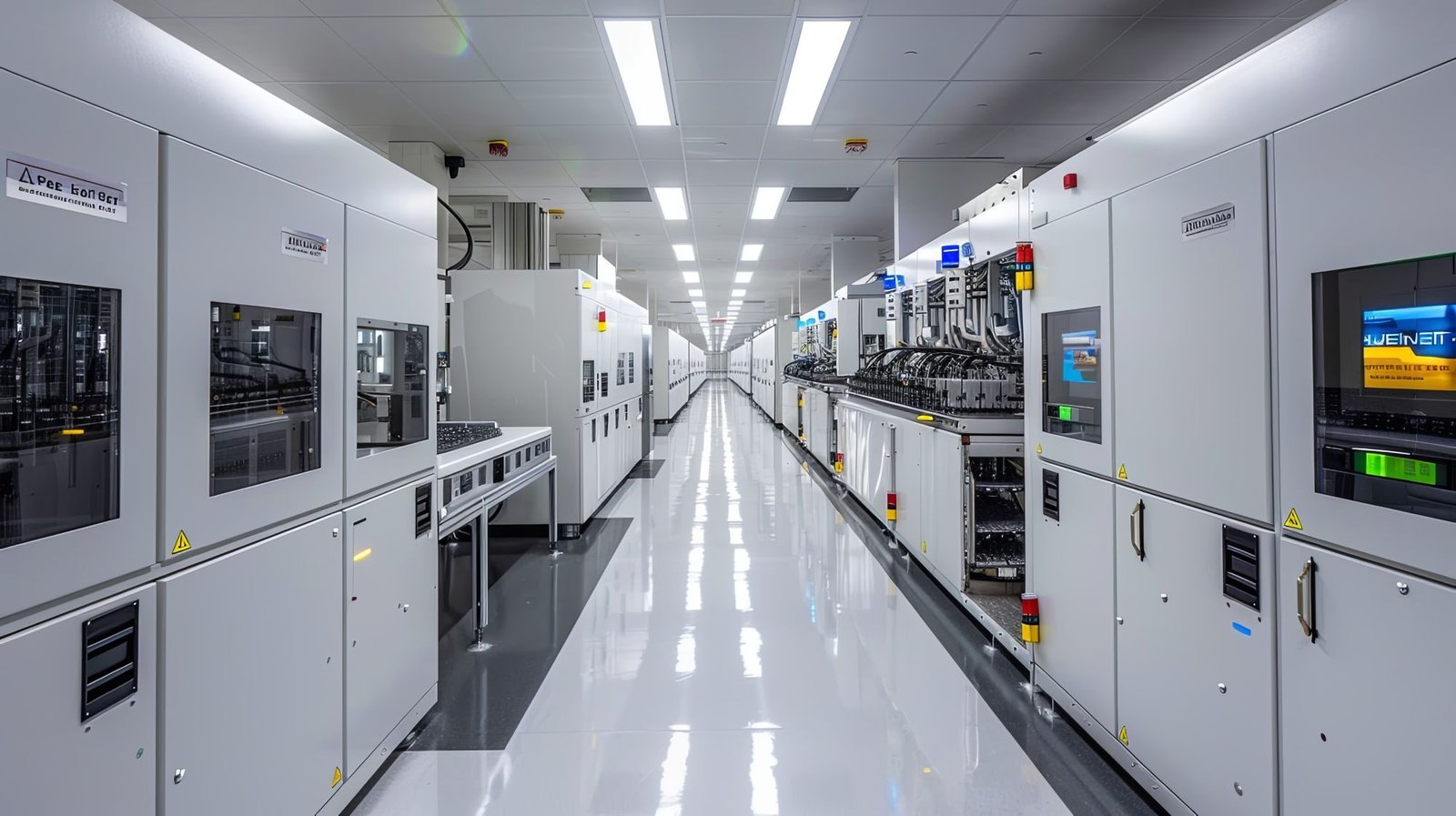
As technology infrastructure becomes more complex, the way hardware is housed and organised plays a critical role in system performance, reliability, and maintenance. In environments such as data centres, server rooms, broadcast facilities, and industrial control setups, equipment is expected to run continuously with minimal downtime. This makes proper enclosure design just as important as the components inside.
Well-designed hardware enclosures do more than protect internal components. They support airflow, simplify cable management, improve accessibility, and allow systems to scale efficiently as needs grow. For organisations managing multiple servers or network devices, standardised mounting solutions are essential for long-term stability.
What Rack-Mounted Enclosures Are Designed For
Rack-mounted enclosures are built to fit into standard 19-inch racks, which are widely used across IT and industrial environments. This standardisation allows different devices—such as servers, switches, storage units, and control systems—to be stacked vertically in a clean and organised manner.
These enclosures are typically measured in rack units (U), indicating their height. This makes it easy to plan layouts, allocate space, and integrate new equipment without redesigning the entire setup. The result is a modular system that supports both current needs and future expansion.
Supporting Cooling and Airflow Efficiency
One of the biggest challenges in high-density systems is heat management. Electronic components generate heat continuously, and without proper ventilation, performance can degrade quickly. Rack-mounted enclosures are designed with airflow in mind, often featuring ventilation slots, fan mounts, or compatibility with active cooling systems.
Efficient airflow helps maintain stable operating temperatures, which directly impacts hardware lifespan and system reliability. Proper enclosure design also reduces hotspots within racks, making it easier to manage cooling at the room or data centre level.
Durability and Equipment Protection
In professional environments, hardware is exposed to risks such as dust, vibration, accidental contact, and electromagnetic interference. A solid enclosure provides a physical barrier that protects sensitive components from external damage while keeping internal parts securely mounted.
High-quality materials such as steel or aluminium are commonly used to ensure strength and long-term durability. This is especially important in industrial or edge-computing environments where conditions may be harsher than in traditional office settings.
Ease of Maintenance and Accessibility
Downtime is costly, which is why easy access to hardware is a major consideration. Rack-mounted enclosures are designed to allow technicians to quickly install, remove, or service components. Tool-less designs, removable panels, and front-access layouts all contribute to faster maintenance and reduced operational disruption.
Clear organisation within racks also improves troubleshooting efficiency. When cables, drives, and modules are easy to identify and reach, routine tasks such as upgrades or replacements become far more manageable.
Cable Management and System Organisation
As systems grow, cable complexity increases. Poor cable management can restrict airflow, make maintenance difficult, and increase the risk of accidental disconnections. Rack-compatible enclosures help organise cabling by aligning ports, routing paths, and access points consistently across devices.
This structured approach not only improves aesthetics but also enhances functionality. Clean cable layouts reduce interference, support better airflow, and make system documentation easier to maintain.
Applications Across Multiple Industries
Rack-mounted enclosures are not limited to traditional data centres. They are widely used in telecommunications, broadcasting, healthcare, transportation, and manufacturing. Any environment that relies on continuous operation of electronic systems benefits from structured, standardised hardware housing.
In industrial automation, for example, control systems are often mounted in racks to centralise monitoring and control. In media production, rack systems house audio, video, and networking equipment that must remain stable and accessible during live operations.
In these contexts, the concept commonly referred to in regional markets as 機架式機殼 reflects the same core requirement: reliable, rack-compatible enclosures that support professional-grade systems.
Planning for Scalability and Future Growth
One of the key advantages of rack-based systems is scalability. As technology evolves, organisations rarely replace entire infrastructures at once. Instead, they add or upgrade components incrementally. Rack-mounted enclosures support this approach by allowing new devices to be integrated seamlessly into existing racks.
This forward-compatible design reduces long-term costs and minimises disruption. It also allows organisations to adapt quickly to changing demands, whether that means adding storage, increasing processing power, or expanding network capacity.
Choosing the Right Enclosure for Your Needs
Selecting the right enclosure depends on several factors, including equipment size, heat output, environment, and maintenance requirements. Considerations such as depth, load capacity, airflow design, and compatibility with existing racks all influence performance and usability.
It’s also important to think beyond immediate needs. Choosing an enclosure that allows flexibility and expansion can prevent costly redesigns later on.
Conclusion
In modern IT and industrial environments, hardware enclosures are far more than simple metal boxes. They are a foundational element that supports performance, reliability, safety, and scalability. Rack-mounted designs provide the structure and standardisation needed to manage complex systems efficiently, especially as technology continues to advance.
By investing in well-designed, rack-compatible enclosures, organisations create a solid framework for stable operations today and flexible growth tomorrow. Thoughtful enclosure selection not only protects equipment but also enhances overall system efficiency, making it a critical component of any professional infrastructure.