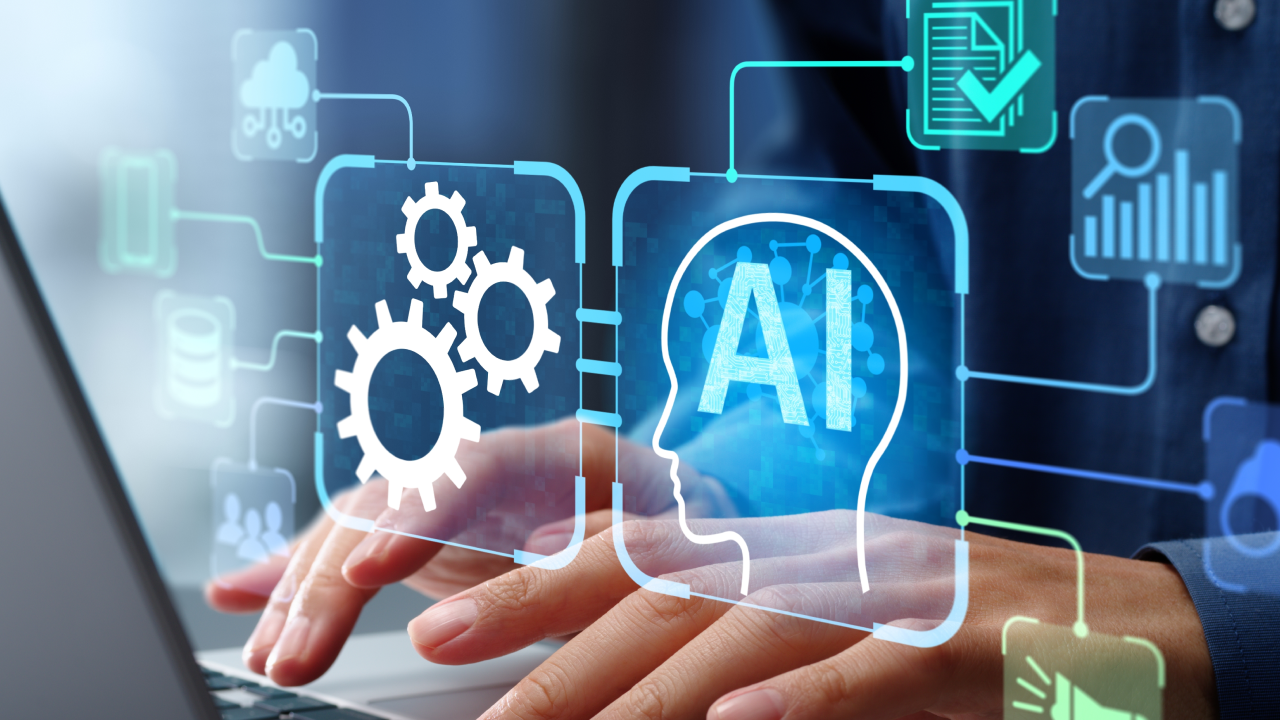
The realm of artificial intelligence (AI) is ever-evolving, introducing transformative changes across various industries. AI orchestration, in particular, is emerging as a vital tool for businesses aiming to leverage AI’s full potential effectively.
AI Orchestration: What It Is and Why It Matters

Alt text: Executives discussing AI deployment using an AI orchestration guide
AI orchestration refers to the methodical approach of coordinating and managing multiple AI and machine learning models to work in harmony. Like a conductor leading an orchestra to produce a symphony, AI orchestration ensures that different AI elements collaborate effectively. This integration leads to more intelligent systems that can handle complex tasks by combining the strengths of individual models.
The significance of AI orchestration arises from the sheer volume and diversity of AI applications within a single organization. Orchestration allows for seamless interaction, which enhances the performance and agility of AI-driven solutions.
Furthermore, AI orchestration ensures that AI models are scalable and adaptable, catering to the dynamic needs of businesses. It provides a structure that supports continuous learning and improvement, thus maximizing the return on investment in AI technologies.
Those seeking a deeper understanding of AI orchestration’s technical intricacies can refer to a comprehensive AI orchestration guide. This resource provides detailed insights into setting up and perfecting orchestration systems like BA Insight for optimal AI utilization.
The Core Components of AI Orchestration Systems
At the heart of AI orchestration systems are several pivotal components. Data pipelines are crucial, as they are responsible for the flow and processing of information that AI models depend on. These pipelines ensure that the right data reaches the right model at the right time, thereby avoiding bottlenecks in information processing.
Another key element is the orchestration engine, which coordinates the execution of different models. It is the brain of the system, determining how AI models interact, share data, and make combined decisions.
Model management is also a significant component, involving the deployment, updating, and monitoring of AI models. This ensures that AI solutions are always at peak performance and can evolve with the changing data landscapes and organizational needs.
Lastly, user interfaces and APIs form the communication layer through which users interact with the orchestration system. They provide tools to control, oversee, and derive insights from the AI ecosystem, making the sophisticated processes accessible and actionable for decision-makers and IT staff alike.
Common Use Cases and Applications of AI Orchestration

Alt text: A pathway with lighted guidelines, symbolizing an AI orchestration guide, going through a robotic factory
AI orchestration finds its application across several fields, offering innovative solutions to traditional challenges. In the world of finance, AI orchestration can enhance fraud detection systems by bringing together multiple detection technologies to identify and act upon suspicious activity rapidly and accurately.
In healthcare, orchestration can manage diverse AI models that analyze medical images, patient data, and treatment outcomes. This synergy can lead to better diagnosis, personalized treatment plans, and predictive analytics for patient health management.
Customer service is another area that benefits from AI orchestration. By integrating various communication channels and customer interaction data, businesses can provide personalized and efficient support, ensuring service quality and satisfaction.
The manufacturing industry also reaps the advantages of AI orchestration. It can optimize supply chain management, predictive maintenance, and quality control by synchronizing AI models that handle different aspects of the manufacturing process, minimizing waste and maximizing output.
Essential Steps to Implement AI Orchestration in Your Organization
Implementing AI orchestration begins with a clear strategy that includes defined goals and an understanding of the AI landscape. Organizations must assess their current AI capabilities, identify areas for improvement, and establish a framework for how different AI models will interact.
Investing in the right technology stack is crucial for AI orchestration. This includes both hardware and software capable of handling complex AI workloads. It is important to select tools that offer scalability, support integration with various AI models, and provide robust data handling features.
Another pivotal step is fostering a culture of collaboration within the organization. This involves training and empowering teams to work with AI technologies. Continuous education on the latest trends in AI and orchestration can ensure that your workforce is equipped to leverage these systems effectively.
Finally, it is vital to adopt a continuous improvement approach to AI orchestration. Regularly evaluate the performance, scalability, and interoperability of AI systems. Being open to feedback and innovation will allow for the fine-tuning necessary for long-term success in AI orchestration.
Altogether, AI orchestration represents a dynamic and strategic approach to leveraging artificial intelligence within an organization. By understanding the basics, companies can ensure their AI orchestration systems drive innovation and efficiency to new heights.